







Search Results for: straight line
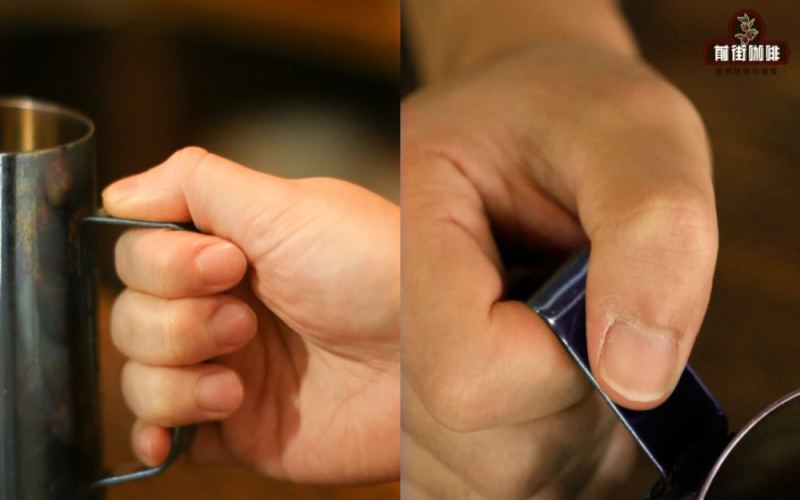
Latte Recipe Ratio | How Can Coffee Beginners Practice Italian Latte Art Patterns at Home? What Details Should Be Noted When Creating Latte Art Designs?
A friend asked Front Street Coffee how to practice the pitcher movement for patterned latte art. This article serves as a supplement to "How can you pour beautiful patterned lines?" If you haven't read it yet, you can click the link to take a look first; this article won't repeat the content covered there. The first issue: if your pour is asymmetrical, there is only one possible [more…]

Does Higher Altitude Mean Better Coffee? The Real Relationship Between Altitude and Flavor
In coffee shops, you often hear the words "high altitude," as if the higher the altitude, the more premium the coffee. But the truth is not that simple: altitude is indeed a heavyweight factor affecting flavor, yet it is far from a straight-line relationship of "the higher, the better." What does altitude bring? A common feature of high-altitude growing regions is a large temperature difference between day and night, with relatively low temperatures. Coffee [more…]
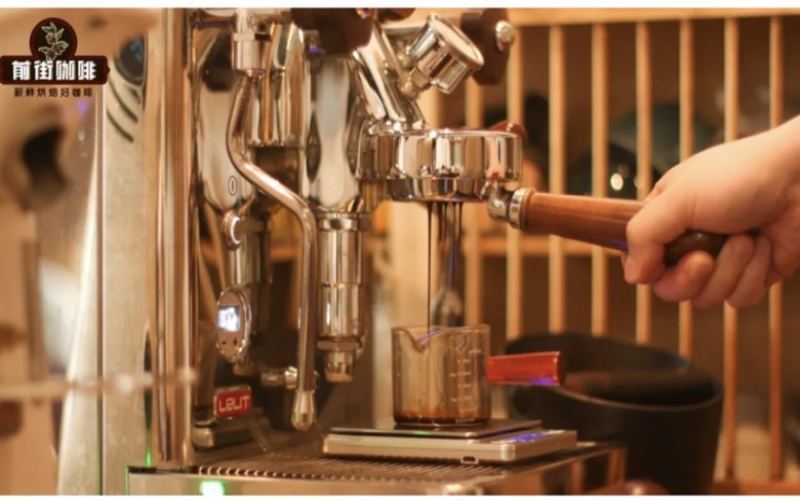
Beans for Both Espresso and Pour-Over: How to Configure a Single Machine for Two Brewing Methods
Players who have both an espresso machine and a pour-over kettle at home often fall into a kind of happy dilemma: when buying beans, they're always torn over "should this one be for pour-over or for espresso?" Actually, the mature approach is a dual-purpose bean lineup—within the same purchase batch, some beans are dedicated to espresso, some are dedicated to pour-over, and some can pull off both faces. This article talks about [more…]
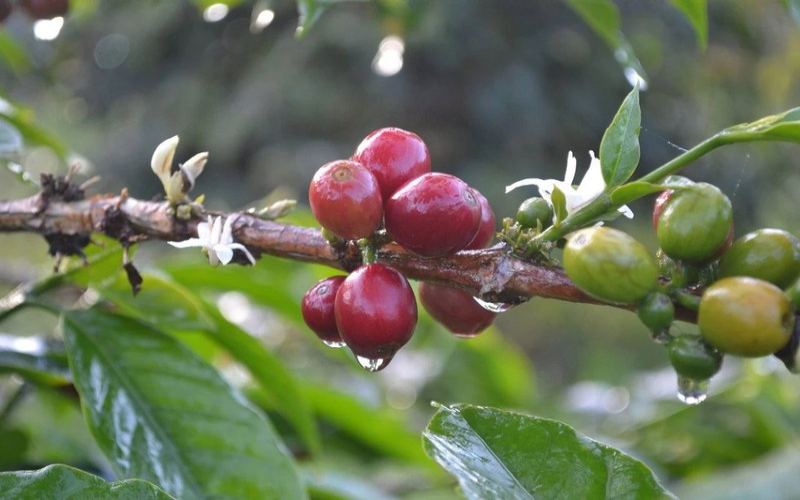
Opening Rhythm and Flavor Changes of Dark Roast Pour-Over Beans
When brewing pour-over with dark roast coffee beans, the flavor usually unfolds with notes of cocoa, roasted nuts, and caramel sweetness; when the water temperature is right, you can also taste a rounded, sweet finish. However, for these beans, the journey from completion of roasting to the first sip is not a straight line from opening the bag to drinking. Degassing rate, time after opening, and storage method all alter the aroma, body, and [more…]
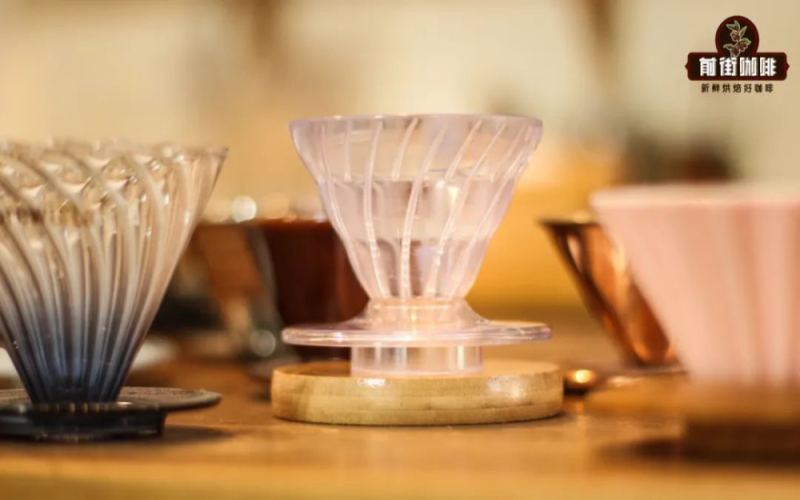
Coffee Equipment for Beginners | What kind of coffee dripper is suitable for novices learning about coffee? Which brand of V60 dripper is good? What are the advantages of the V60 dripper?
New-style drippers emerge endlessly every year. They not only come in a myriad of forms, but each has its own strengths: some drippers can change the flow rate of the water; some drippers can achieve zero bypass; some drippers can even change their shape! Although there are many kinds of drippers, in all their variety, if you were to ask a knowledgeable high-end player to recommend one to a beginner [more…]
How to Drink After Roast Date: A Home Coffee Bean Flavor Clock
The aroma of coffee beans does not decline in a straight line from the moment roasting ends. Fresh out of the roaster, the beans are rich in carbon dioxide; when ground, they smell lively, but during brewing the degassing may be too vigorous, making it hard for water to penetrate the coffee bed evenly. After a few days, as the gas gradually escapes, the floral notes, fruity sweetness, and finish actually unfold more easily. Therefore, roasting [more…]
Pour-Over Coffee Tasting | Does Coffee Taste Differ with Different Cup Shapes? Which Cup Shape of Coffee Tasting Cup Should Be Paired for Tasting Different Coffees?
As the saying goes, a good horse deserves a good saddle, and good tea belongs in a fine jar. As the main vessel for holding coffee, the impact of different cup designs on tasting has gradually drawn people's attention. Some coffee shops even spend lavishly on a set of coffee cups dedicated to serving, in order to create a dual experience for the eyes and the palate. Just like wine, cups [more…]
The Evolution Path of Commercial Base Beans: How to Upgrade Step by Step from Chain-Style to Specialty Blends
Those who have opened a shop and look back at their base beans will find a clear evolutionary line. Most people start with chain-style dark-roast blends, and after a year or two, the beans on the bar gradually shift toward medium roasts and specialty blends. This isn't fickleness of taste—it's that as a shop grows to different stages, the questions the base beans need to answer also [more…]
The Moka Pot's Rich Aroma Code: What Roast Level Determines
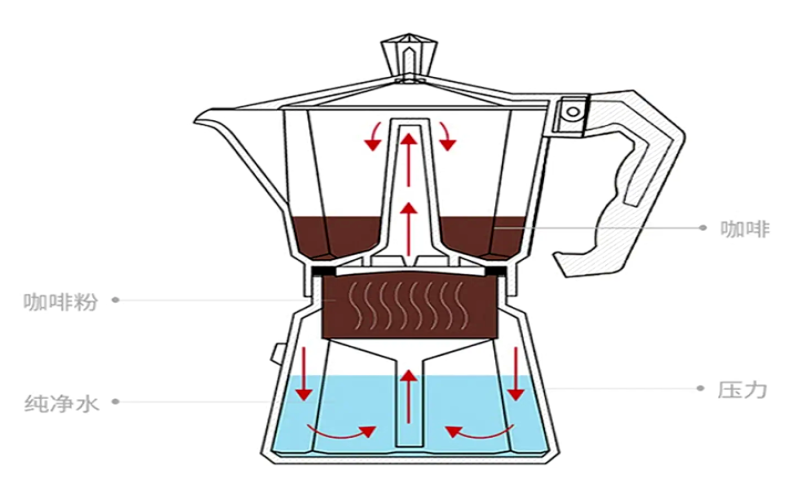
Coffee brewed in a moka pot has concentrated aroma and a full body, and the roast level of the beans directly shapes the character of the cup. If you want pronounced roasted and cocoa notes, or if you care more about gentle sweetness and a clean finish, start with the roast level first, then look at specific beans and brewing habits. Light-roasted beans usually retain [more…]
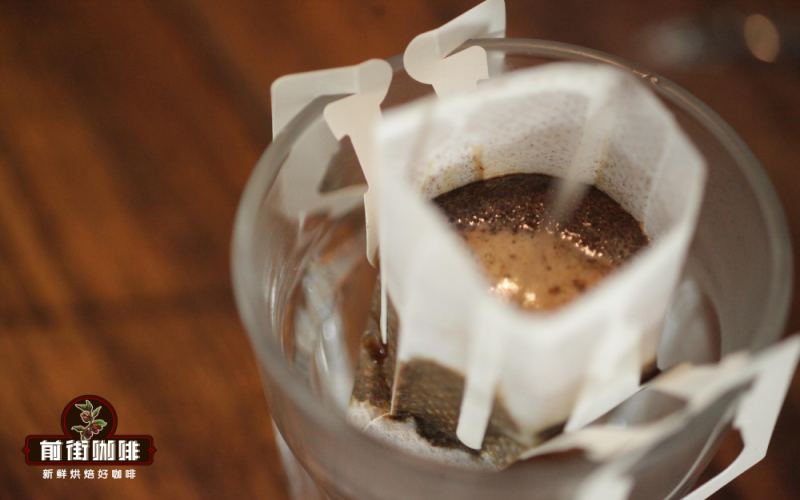
Drip Bag Filter Coffee | Are Drip Coffee Bags Instant Coffee? Can You Just Toss a Drip Coffee Bag Into a Cup and Brew It? How Many Times Can You Reuse a Drip Coffee Bag?
To make drip bag coffee, Front Street Coffee grinds freshly roasted coffee beans into suitable particles and seals them in a non-woven filter bag. It is a portable pour-over coffee product, essentially a simplified version of hand-brewed coffee. As long as you have hot water and a cup, you can enjoy the taste of hand-brewed single-origin coffee anytime. [more…]
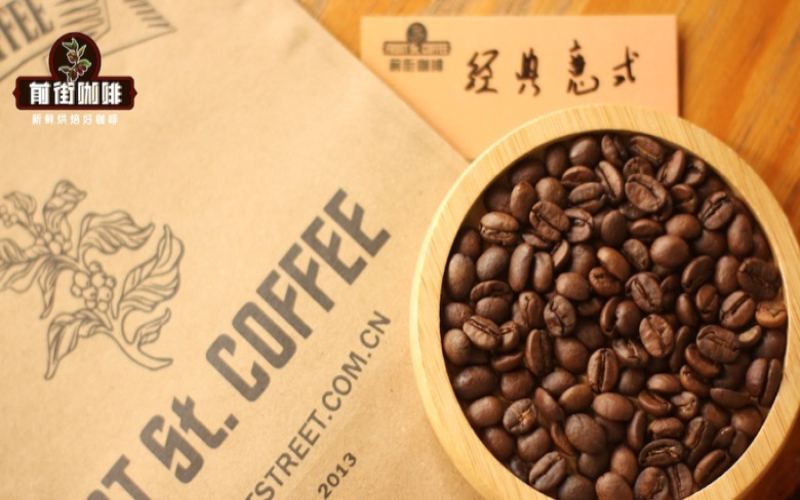
The Espresso Face of Typica and Bourbon: An Italian Expression of Heirloom Varieties
On the bean lists of specialty coffee, variety names like "Typica" and "Bourbon" are appearing more and more frequently. They are two of the older major variety families in the Arabica world, and pour-over enthusiasts can recite their flavors with great familiarity, but their performance in espresso is still not much discussed. This article covers the "espresso [more…]
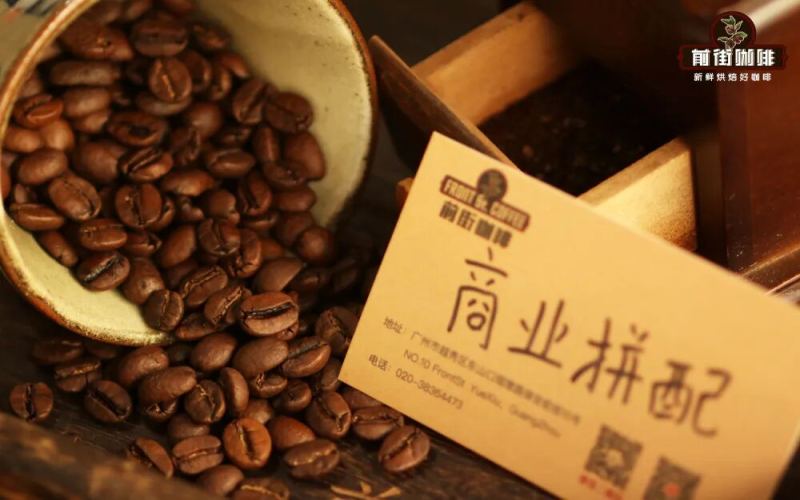
Introduction to Arabica and Robusta Coffee Beans | What are the origins, flavors, and appearance characteristics of Arabica and Robusta coffee beans?
If you know anything about coffee, you're surely aware that coffee beans fall into two main categories: Robusta and Arabica. These are arguably the two most common bean varieties we encounter. But why is Arabica coffee more favored? So today, Front Street Coffee is here to share exactly what's going on between these two. [more…]
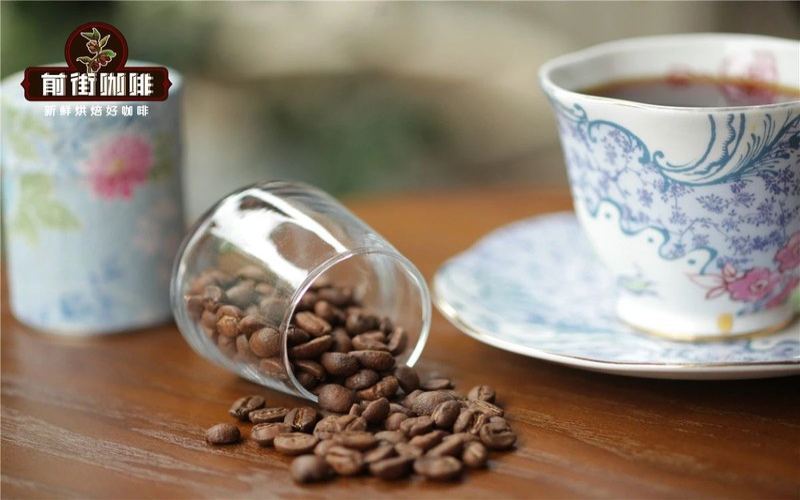
How to dial in the flavor window for moka pot coffee beans
Coffee brewed in a moka pot is strong and aromatic, and the condition of the beans directly affects how it tastes. To keep the cup from being too sharply acidic, consider the purchase date, roast date, and how quickly you drink them after opening. Fresh doesn't mean drinking them right after roasting; the beans need a period of degassing for the flavors [more…]
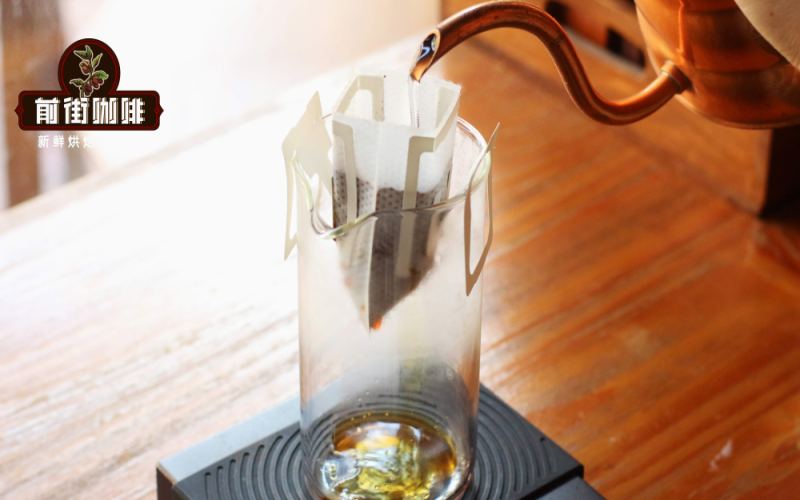
The Flavor Window of Drip Bag Coffee | Why Can't Drip Bags Be Soaked? How Do You Brew Flavor Out of Drip Bag Filter Coffee? How Many Times Can a Drip Coffee Bag Be Brewed?
For more specialty coffee knowledge, please follow our WeChat official account: Front Street Coffee (FrontStreet Coffee). "Why does my drip bag coffee taste like nothing?" "Why is my drip bag coffee too sour/too bitter/too weak?" These are the questions many people who are just starting to explore drip bag coffee have. [more…]
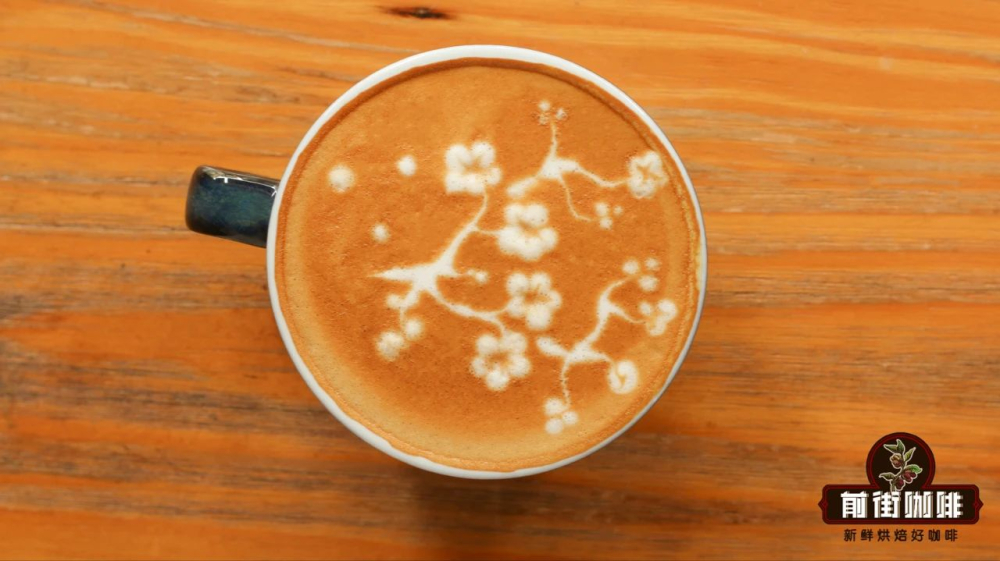
Latte Art | What is latte art? How do beginners make latte art? What are the techniques for making a tulip pattern?
Latte art mainly includes three forms: free pouring, etching, and stenciling. Stenciling uses a stencil to sprinkle cocoa powder, chocolate powder, or cinnamon powder onto the coffee to create a pattern. Free pouring and etching are collectively known as Latte Art; the former involves pouring hot [more…]
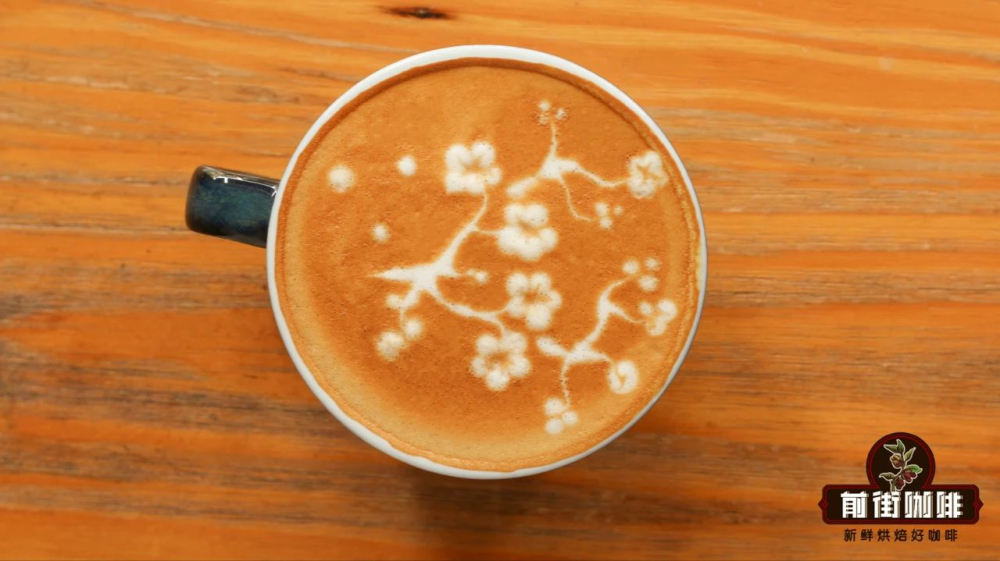
Latte Art Illustrated Guide | How Can Coffee Beginners Learn Latte Art? What Should Be Noted in Latte Art? Instructional Guide on Swan, Tulip, and Rosetta Latte Art
Latte art mainly takes three forms: free pouring, etching, and stenciling. Stenciling uses a stencil to dust cocoa powder, chocolate powder, or cinnamon powder onto the coffee to create a pattern. Free pouring and etching are together known as Latte Art: the former involves pouring steamed [more…]

A Detailed Guide to Coffee Latte Art for Beginners | Which Coffee Beans Are Suitable for Latte Art? How Do You Make a Heart-Shaped Latte Art Pattern on an Espresso Latte?
Latte art in espresso coffee is the best expression of the fusion between hot milk and coffee liquid. At Front Street Coffee, when making milk coffee, there are always customers who request latte art. In latte art, steaming milk is crucial—only by creating smooth, silky milk foam can the flavor of milk coffee be fully expressed. [more…]
A Complete Beginner's Guide to Pour-Over Coffee: A Hands-On Tutorial from Stance and Water Flow to the Extraction Process
Pour-over coffee, with its simple operation, easy-to-manage equipment, and ability to fully showcase coffee's vibrant aromas and clean taste, has become the preferred brewing method for many enthusiasts. However, behind the seemingly simple act of pouring water lie strict requirements for details such as water temperature, extraction time, water flow rate, and blooming rhythm. This article systematically outlines the fundamental operating standards of pour-over coffee—from stance adjustment, kettle-holding techniques, and the three-part water flow practice to the complete brewing process—helping beginners build a solid foundation and gradually achieve stable, gentle extraction. [more…]
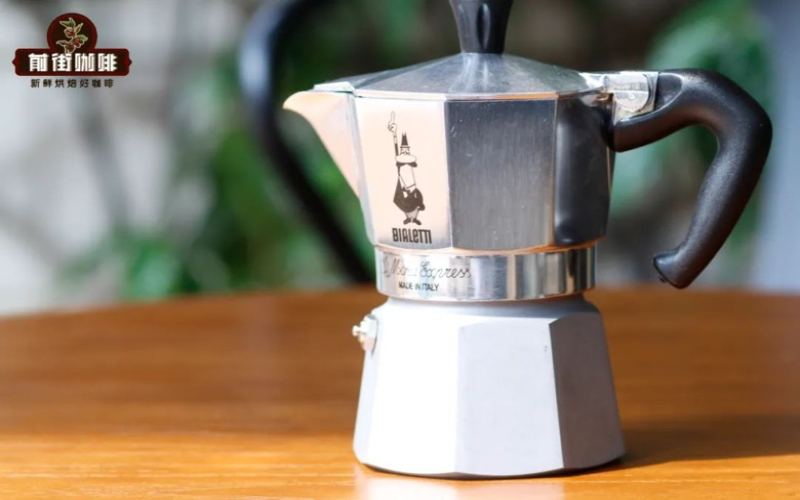
The Italian Family Moka Pot Tradition: National Coffee Culture in an Aluminum Pot
In Italy, the moka pot isn't called a gadget; it's called "the coffee machine at home." It is estimated that over ninety percent of Italian households own at least one moka pot. Every morning, millions of little aluminum pots gurgle one after another on the stove—that is the shared background sound of the nation's morning. Understand this material culture, and you can see why [more…]
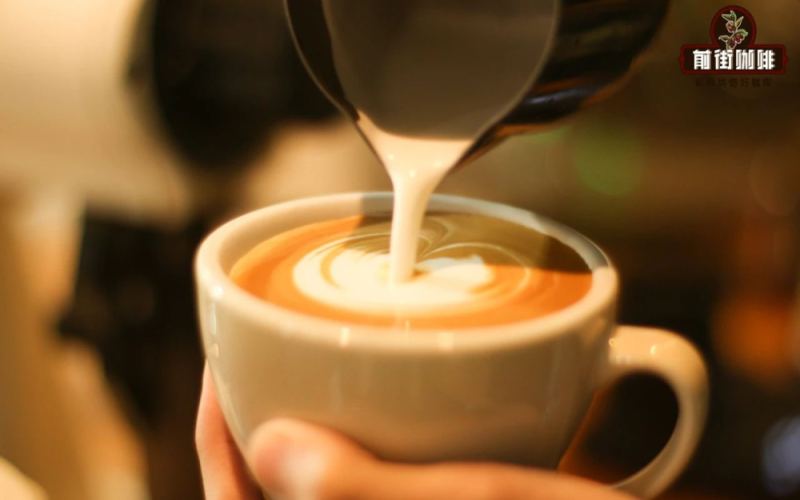
Simple Latte Art Illustrated Guide | What is the principle behind coffee latte art? Which kind of milk is used to make latte art? Is it hard for coffee beginners to learn latte art?
Many people ask Front Street, how long does it take to learn latte art? If we're just talking about producing a good-looking pattern, with a bit of luck it only takes one day. If we're talking about truly mastering a pattern, it takes at least 4 days. So many people ask, where do these 4 days come from? It's simple: Day one, read this article from Front Street; day two, practice; day three, [more…]